
Home EV charger
NEXUS 7.4 kW or NEXUS PRO 22 kW wallbox, installed with a TNB supply check and app setup. Home EV charger installation.
AC and DC EV chargers for homes, condos and businesses, from a 7.4 kW home wallbox to a 240 kW DC fast charging hub. Every ChargeSini EV charger is certified, installed by our own licensed team, connected to the ChargeSini app and covered by a two-year warranty.
AC chargers suit places where cars park for a few hours or overnight. They are the most affordable way to charge an EV at home. All about AC chargers.
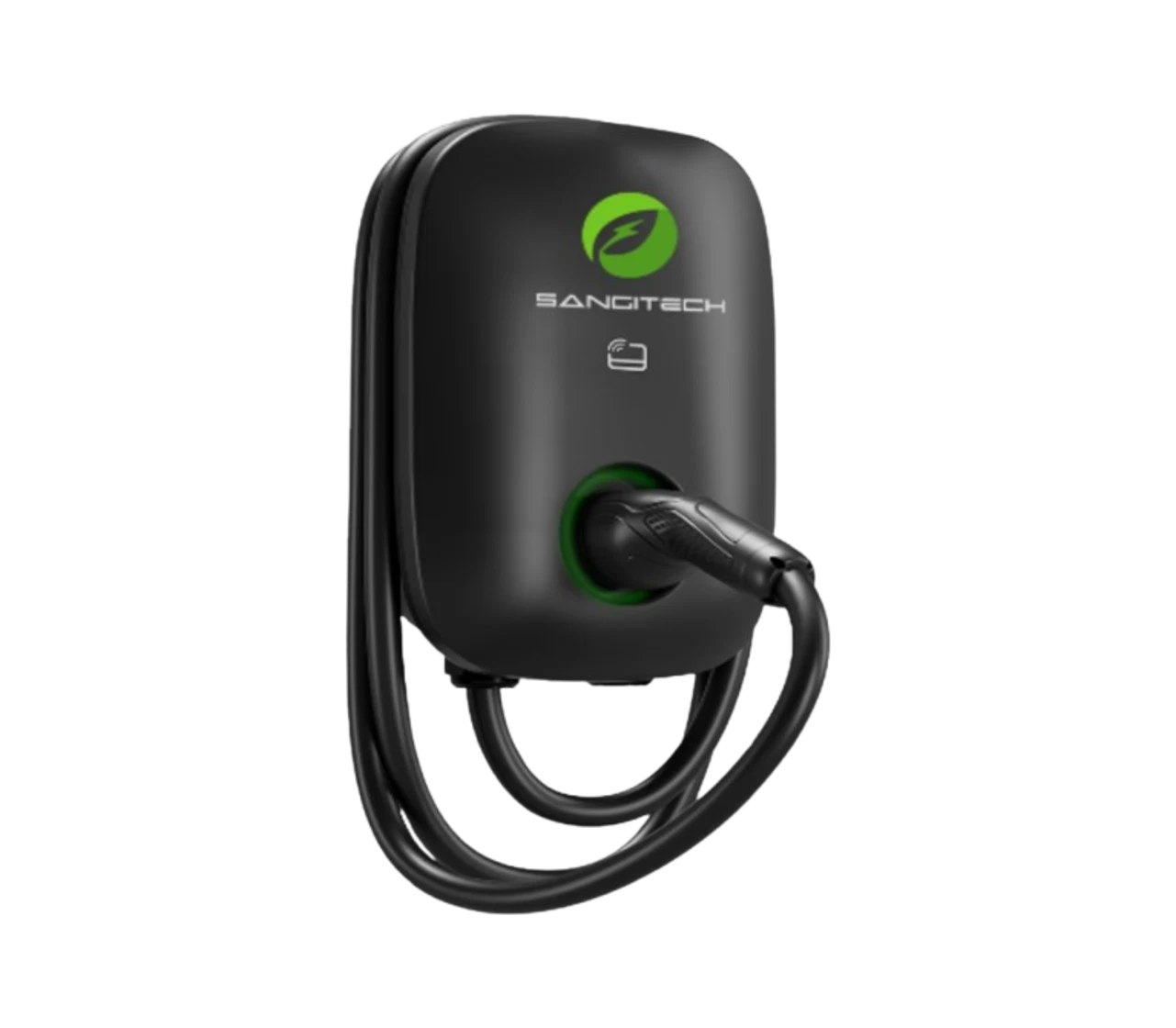
7.4kW
A compact smart wallbox for your home. Plug in when you get home and wake up to a full battery.
AC · HOME / CONDO
22kW
Our second-generation three-phase wallbox. Up to 22 kW, app control and load sharing for homes and condo car parks.
AC · COMMERCIAL
22kW
Networked AC charging for car parks, offices and hotels. A socket outlet so drivers use their own cable.
DC fast chargers deliver 40 to 240 kW straight to the battery. They suit malls, petrol stations, highways and fleets where drivers stay under an hour. All about DC chargers.

40kW
Compact DC fast charging for sites with limited space or power. Two cables, two cars at once.
DC · FAST
60kW
Fast top-ups for malls and petrol-station forecourts. Two CCS2 guns and a big, readable screen.
DC · FAST
80kW
The unit at Sunway 163 Mall. Two CCS2 connectors with dynamic power sharing, and one of the quietest DC chargers in its class.
DC · HIGHWAY
120kW
High-power charging for R&R stops and fleets that can’t wait.
DC · ULTRA180kW
Adds hundreds of kilometres in a coffee break. Two CCS2 guns at up to 300 A.
DC · ULTRA240kW
Our fastest charger. Built for highway hubs and busy fleet depots.
DC · SPLIT
Hubcabinet
One power cabinet feeding several charging bays. Power is shared across dispensers, so a hub grows without a new supply for every bay.
Pick by where the car parks and how long it stays. Read the full guide: DC charger vs AC charger.
NEXUS 7.4 kW or NEXUS PRO 22 kW wallbox, installed with a TNB supply check and app setup. Home EV charger installation.
Zero capex for the JMB: we fund, install and run the chargers, residents pay per kWh. EV charging for condos.
AC and DC chargers for malls, hotels, offices and fleets, listed in the ChargeSini app. EV charging for business.
Charge at ChargeSini stations across Malaysia, and reserve a bay in the app. EV charging station map.
It depends on the charger and the site. A home AC wallbox plus installation is the most affordable option; DC fast chargers for business cost more and are often funded through our zero-capex joint venture. Ask for a home quote or a business quote.
Most homes in Malaysia suit the NEXUS 7.4 kW on single phase supply. If your home has three phase supply, the NEXUS PRO 22 kW charges up to three times faster on cars that accept 11 or 22 kW AC.
An AC charger sends alternating current to the car’s onboard charger, which limits speed to 7 to 22 kW. A DC charger converts power inside the unit and feeds the battery directly at 40 to 240 kW, so a DC fast charger can add hundreds of kilometres in under an hour.
Yes. Our AC chargers use the Type 2 connector and our DC chargers use CCS2, the standards for EVs sold in Malaysia, including Tesla, BYD, Proton e.MAS, BMW, Mercedes-Benz, Volvo, Hyundai and Kia.
Yes. Our chargers are tested by TÜV and certified by MyHIJAU and ETL, rated IP65 for outdoor use, and covered by a two-year warranty.
Our own licensed teams. We check your TNB supply, install and commission the charger, and connect it to the ChargeSini app.
Malaysia has offered income tax relief for EV charging equipment bought for your own use. Check the current LHDN rules for the year you buy; we provide a full invoice for your claim. Read our guide to EV tax exemptions.